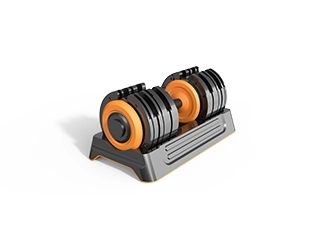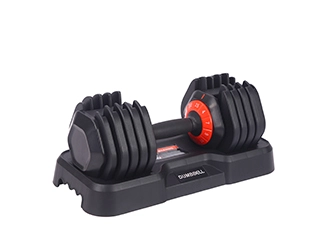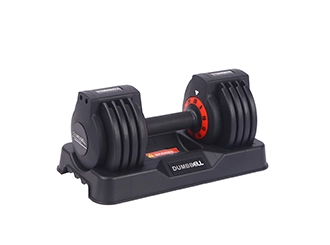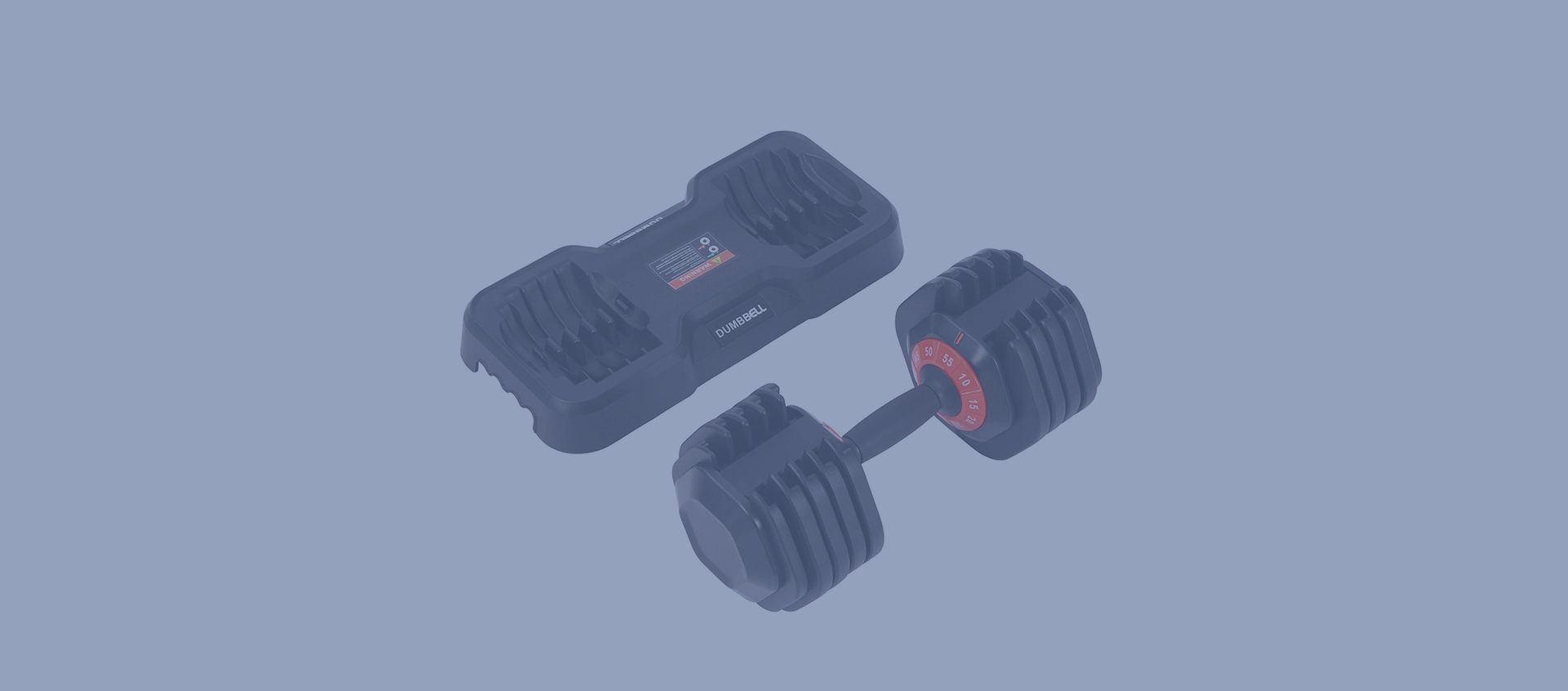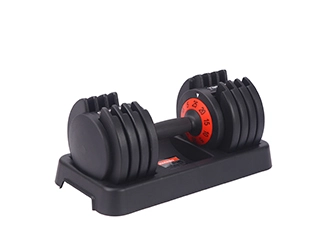
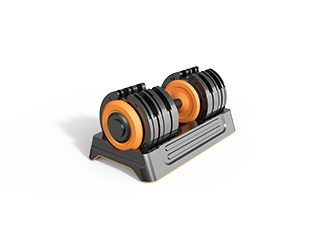
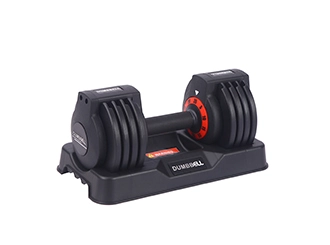
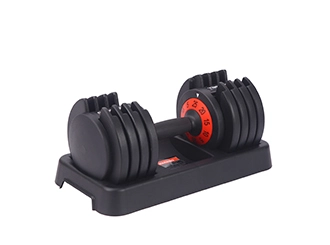
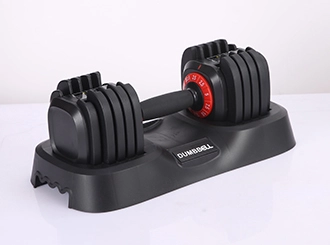
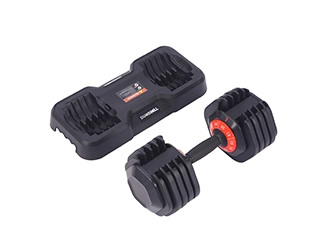
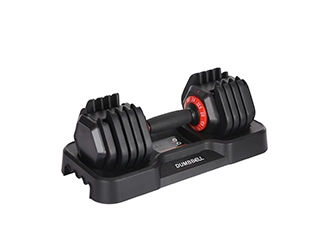
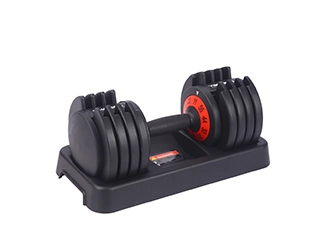
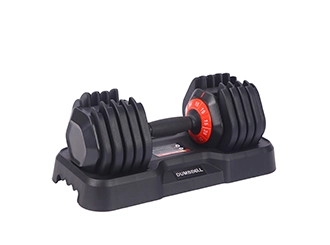
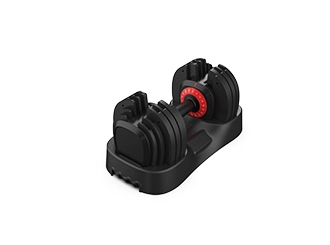
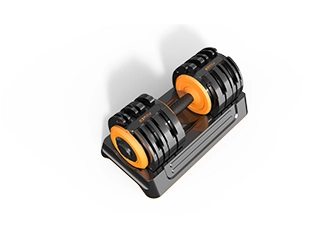
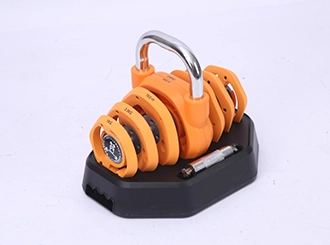
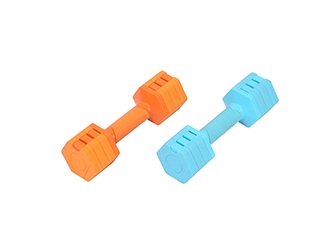
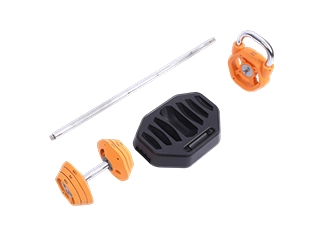
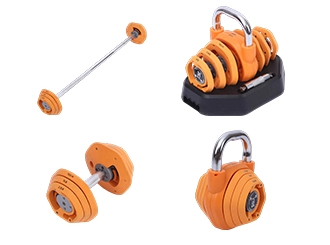
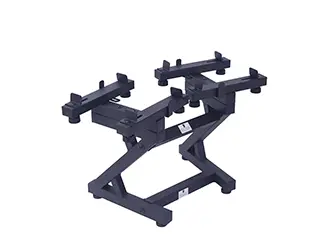
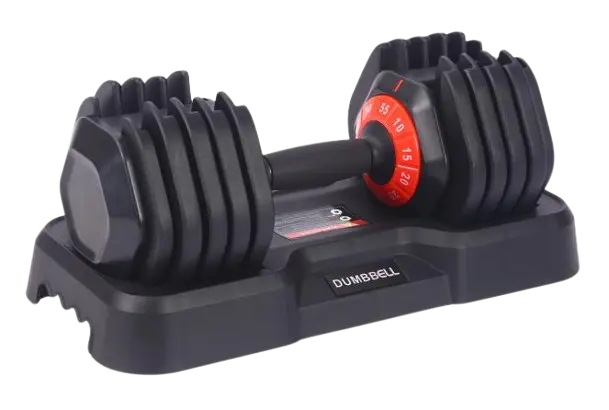
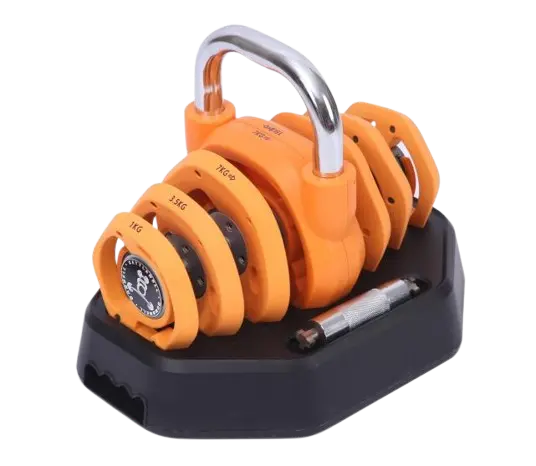
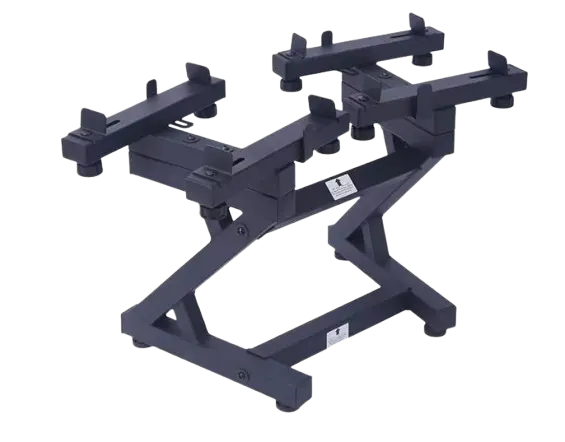


A 3-in-1 dumbbell, barbell and kettlebell set combines three types of strength-training equipment in one adjustable system. Instead of purchasing separate dumbbells, kettlebells and a barbell, users can change the equipment's configuration to perform different exercises with a shared set of weights.
But how does a 3-in-1 weight set actually work? What changes when switching between modes, and can one set provide the same training experience as three separate pieces of equipment?
This guide explains how convertible weight systems work, compares their three training modes, and highlights the features users and wholesale buyers should check before choosing a set.
A 3-in-1 weight set is a modular strength-training system that can be configured as a dumbbell, barbell or kettlebell.
The basic principle is simple: the weight components are shared, while the handle and connection arrangement changes to suit different exercises.
Although designs vary between manufacturers, these systems commonly include adjustable weight modules or plates, interchangeable grips, connecting bars, and mechanisms that secure the weights during exercise.
Each configuration serves a different purpose:
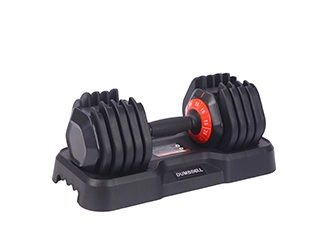
Dumbbell mode provides a shorter, centrally positioned grip for single-arm or two-hand dumbbell exercises.
Barbell mode uses a longer connecting bar for exercises performed with both hands.
Kettlebell mode features a top-mounted handle that allows the weight to be held in front of or beside the body.
Jiebao offers a dumbbell barbell kettlebell set that supports different training configurations. Its product range includes adjustable weight components and conversion accessories, with additional dumbbell configurations available depending on the selected package.
The main advantage is flexibility. Users can perform different types of resistance exercises without storing three completely separate weight systems.

The three configurations operate by changing how the weights are connected and held. Depending on the design, the equipment may use removable connecting bars, interchangeable handles, selectable weight modules, or a combination of these mechanisms.
In dumbbell mode, the adjustable weight components are secured around a shorter central grip.
This configuration allows the user to hold the weight close to the hand, making it useful for exercises requiring independent arm movement and controlled positioning.
Common exercises include bicep curls, bent-over rows, shoulder presses and floor presses.
Some 3-in-1 sets support two dumbbells simultaneously, while others require an additional handle or weight accessory to create a second dumbbell.
What to check: The available weight settings, grip comfort and security of the weight-locking mechanism.
Barbell mode uses a longer connecting bar or dedicated conversion assembly to create a two-handed weight-training configuration.
The weights are positioned toward the ends of the bar, allowing exercises such as bent-over rows, Romanian deadlifts and standing curls.
Because both hands work together, barbell mode can be useful for movements that require coordinated upper-body or lower-body strength.
However, a convertible barbell is not necessarily equivalent to a standard Olympic barbell. Its length, grip diameter, maximum permitted load and compatibility with racks depend on the specific product.
What to check: Whether the connecting components lock securely and whether the stated weight capacity applies to the assembled barbell configuration.
In kettlebell mode, the system uses a top-mounted handle attached to the adjustable weight assembly.
Unlike a conventional dumbbell, which places the grip through the center of the weight, a kettlebell positions much of the load below the handle.
This changes how the weight feels during movement and makes the configuration useful for exercises such as goblet squats, controlled deadlifts and loaded carries.
Certain kettlebell designs also support dynamic movements such as swings. However, convertible equipment should only be used for these exercises when the manufacturer expressly approves the configuration and its locking system for dynamic loading.
What to check: Handle clearance, attachment security and whether the intended exercises are permitted in the product instructions.
The exact conversion process depends on the model. As a general procedure:
Place the equipment on a stable surface. Stop exercising completely before making any weight or configuration changes.
Select the required configuration. Use the appropriate dumbbell grip, barbell connector or kettlebell handle specified in the product manual.
Adjust and secure the weights. Confirm that all locking components are correctly engaged and that the load arrangement follows the manufacturer's instructions.
Check the assembled equipment. Inspect the connection points and perform a gentle stability check near the floor before lifting.
Start with a manageable load. Test the balance and handling of the new configuration before performing a full exercise set.
Never force incompatible components together or attempt a conversion not described in the manufacturer's instructions.
Although all three configurations provide resistance training, their grip positions and movement characteristics differ.
| Feature | Dumbbell Mode | Barbell Mode | Kettlebell Mode |
| Grip configuration | Short central handle | Longer two-handed bar | Top-mounted handle |
| Main training advantage | Independent arm movement | Coordinated two-hand lifting | Front-loaded and offset-grip movements |
| Typical exercises | Curls, rows, floor presses | Rows, Romanian deadlifts, curls | Goblet squats, carries, deadlifts |
| Balance demands | Individual hand control | Balanced load across the bar | Control of weight below the handle |
| Important consideration | Grip and weight balance | Connector strength and bar length | Handle security and permitted movement types |
| Best suited for | Upper-body and unilateral exercises | Bilateral strength exercises | Functional strength and controlled loaded movements |
Dumbbell mode is a practical choice for exercises requiring one arm to move independently. Barbell mode is useful when a two-handed grip provides better control of the movement. Kettlebell mode introduces different holding positions and can expand the available exercise options.
No single configuration is automatically better for every exercise. The appropriate choice depends on the training goal, available resistance and equipment specifications.
It is also important to distinguish a convertible 3-in-1 system from an all in one dumbbell set.
An all-in-one adjustable dumbbell typically combines multiple weight settings within a single dumbbell design. A 3-in-1 convertible system goes further by changing not only the resistance but also the equipment's grip and overall configuration.
For users who primarily perform dumbbell exercises, a conventional adjustable dumbbell may be sufficient. Those seeking dumbbell, barbell and kettlebell training options may prefer a convertible system.

Weight capacity is one of the most important differences between convertible weight systems.
For example, Jiebao's product range includes a 40 lb (approximately 18.1 kg) adjustable kettlebell-to-dumbbell-to-barbell option and the JB2305 45 lb (approximately 20.4 kg) 3-in-1 set.
The JB2305 product specification also identifies cast iron and TPR materials, a steel-pipe handle and a PP holder. Its listed packaging dimensions are 50 × 29.5 × 35.5 cm.
These specifications illustrate why buyers should compare individual models rather than assuming all 3-in-1 systems have identical construction or loading capabilities.
Not necessarily.
A product's advertised weight may refer to the total set weight, the available adjustable resistance or a particular assembled configuration.
For example, a set labeled 40 lb should not automatically be interpreted as providing two separate 40 lb dumbbells.
Before purchasing, confirm the total included weight, available increments and maximum permitted load for each configuration.
This is particularly important for distributors preparing accurate product descriptions for retail customers.
A convertible dumbbell, barbell and kettlebell system can support a varied strength-training routine by allowing users to choose different grip positions and movement patterns.
Dumbbell rows, curls and floor presses are useful examples of controlled resistance exercises.
Using a dumbbell in each hand, where the set supports this arrangement, can also allow both arms to work independently.
The barbell configuration can be used for movements such as Romanian deadlifts and bent-over rows, provided the equipment's load capacity and dimensions are appropriate.
These exercises involve larger muscle groups and allow users to train with a coordinated two-handed grip.
Goblet squats, controlled kettlebell deadlifts and loaded carries are practical exercises for the kettlebell configuration.
Dynamic movements require additional caution and should only be performed if permitted by the equipment manufacturer.
According to the U.S. Centers for Disease Control and Prevention (CDC), adults should perform muscle-strengthening activities on at least two days each week, covering all major muscle groups.
The CDC also describes 8–12 repetitions as one set of a strengthening exercise and notes that additional sets can provide further benefits.
For someone building a basic routine, the three configurations can provide different exercise options across training sessions. However, exercise selection, resistance and repetitions should be adjusted to individual ability.
The main appeal of a 3-in-1 system is the ability to perform several types of strength exercises with shared equipment components.
A single modular system can reduce the number of separate weights and bars needed in a small home gym.
This makes it attractive for apartments, personal training spaces and compact fitness areas.
Changing between dumbbell, barbell and kettlebell modes makes it possible to train with different grips and resistance positions.
This can help users vary their routines without purchasing a completely separate tool for every exercise.
Depending on the model, users can select different weight settings to suit different movements.
Lighter loads may be appropriate for some upper-body exercises, while other movements may require greater resistance.
Buying a multi-functional set may simplify equipment selection and storage.
However, it is not automatically cheaper than purchasing separate weights. Total value depends on construction quality, included accessories and available weight capacity.
Convertible equipment generally requires more setup than fixed-weight dumbbells or kettlebells. Changing modes may interrupt a workout, especially when several users share the same equipment.
Some designs also have shorter bars or lower maximum loads than dedicated gym equipment.
For users focused on heavy barbell training or frequent high-intensity kettlebell exercises, specialized equipment may still be more appropriate.
For individual users, the most important considerations include manageable resistance, secure attachments and ease of conversion.
For wholesalers and fitness equipment brands, additional product and purchasing details are essential.
Check the minimum and maximum resistance, available increments and whether the published weights refer to the entire set or individual configurations.
Clear weight specifications reduce misunderstandings and help distributors present products accurately.
Examine how the handles connect to the weight assembly.
Important details include grip dimensions, the security of the connection points and whether components can be assembled consistently.
A product sample and manufacturer-approved demonstration video can help buyers assess these features.
Confirm whether the package contains all parts needed for the three advertised modes.
For example, a second dumbbell handle or additional weight components may be optional rather than part of the standard package.
Buyers should request a complete packing list before placing an order.
Materials influence product feel, surface protection and maintenance requirements.
Buyers should also review carton dimensions, protective packaging and shipping weight, particularly when planning wholesale distribution.
For distributors and fitness equipment brands, customization may be an important part of product selection.
Jiebao offers adjustable weight products for wholesale supply and supports discussions about OEM branding and packaging options.
Buyers looking for an adjustable dumbbell kettlebell set can explore Jiebao's product range, which includes adjustable kettlebell options and multi-functional weight systems.
When comparing suppliers, consider whether the available configurations suit your target customers, whether accessories are included in the standard package, and whether the manufacturer supports your branding requirements.
Before confirming a bulk order, request the model specification sheet, sample availability, minimum order quantity and approved customization options.
A 3-in-1 dumbbell, barbell and kettlebell set provides a flexible approach to strength training by combining multiple equipment configurations within one adjustable system.
Dumbbell mode supports controlled single-arm exercises, barbell mode enables coordinated two-handed lifting, and kettlebell mode introduces different grip positions for functional strength movements.
However, the usefulness of a convertible set depends on more than the number of configurations. Weight capacity, connection security, accessory compatibility and ease of use all influence its suitability for different training needs.
For fitness equipment distributors and brands, reviewing these details is essential when selecting products for wholesale supply.
Jiebao provides adjustable weight solutions for different fitness equipment requirements, including multi-functional dumbbell, barbell and kettlebell configurations.
Looking for 3-in-1 adjustable weight sets for your product line? Contact Jiebao to discuss available models, weight configurations, OEM customization and wholesale quotations.