YONGKANG JIEBAO INDUSTRIAL & TRADE CO., LTD.

Common Dumbbell Training Mistakes Teens Make and How to Avoid Injuries

Table of Content [Hide]

    Strength training can be one of the best habits a teenager develops. When done correctly, dumbbells for teens can improve posture, athletic performance, bone density, and confidence. But when done incorrectly, they can also lead to preventable injuries.

    At Jiebao Fitness, we’ve spent years perfecting adjustable dumbbell for teenager models precisely. This guide breaks down the most common mistakes we see teens making, why they’re dangerous for developing bodies, and exactly how to fix them. Follow these steps and you’ll build real strength while staying injury-free.


    7 Common Dumbbell Training Mistakes Teens Make and How to Fix Them

    1. Lifting Weights That Are Too Heavy, Too Soon

    Many teens try to lift the same weights as adults — or copy what they see on social media.

    This is by far the number 1 mistake. Peer pressure or social media “transformation” videos make teens grab the heaviest dumbbells they can lift for one rep.

    Why it’s dangerous for teens: Your growth plates (the soft areas at the ends of bones) are still open. Too much load too early can cause fractures or long-term growth issues. Even milder cases lead to muscle strains that sideline you for weeks.

    How to avoid it:

    • Start with a weight you can control for 10–15 perfect reps

    • Only increase weight when the last 2–3 reps feel challenging but your form stays perfect

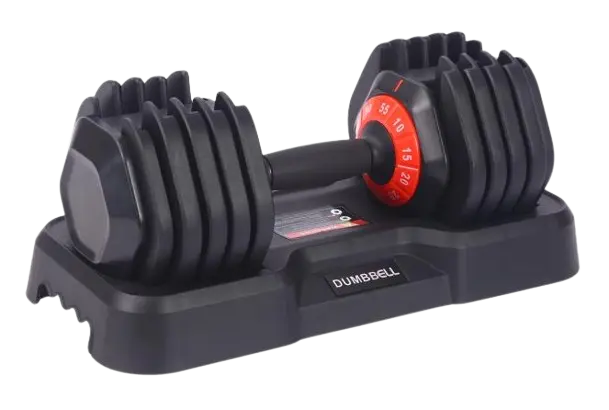
    • Use adjustable dumbbell for teens so you can add just 2–5 lb at a time instead of jumping from 10 lb to 25 lb


    2. Using Terrible Form and “Swinging” the Weights

    Swinging, arching the back, or letting elbows flare out turns a good exercise into a fast track to injury.

    Teen-specific risks: Poor form on shoulder presses or rows can stress the lower back and shoulders — areas that are still developing and more vulnerable during growth spurts.

    Fixes you can use today:

    • Film yourself or use a mirror

    • Keep wrists straight (never bent backward)

    • Move slowly on the lowering phase (3-second count)

    • Engage your core on every single rep


    3. Skipping the Warm-Up (or Cool-Down)

    Jumping straight into heavy curls or presses with cold muscles is like starting a car in third gear.

    The fix: Spend 5–7 minutes doing:

    • Arm circles + bodyweight squats

    • Light dumbbell rotations with 2–5 lb weights

    • Dynamic stretches (leg swings, torso twists)

    After the workout, stretch the worked muscles for 30–60 seconds each.


    4. Training Every Day Without Rest

    More workouts = faster results… right? Not for teens.

    Why It’s Dangerous

    Growth happens during recovery, not during training.

    Without rest:

    • Muscles don’t repair

    • Hormonal balance is disrupted

    • Risk of overuse injuries increases

    The Fix

    Teens should train strength:

    • 2–4 times per week

    • With at least 1 rest day between similar muscle groups

    Rest is not weakness — it’s smart training.


    5. No Supervision or Coaching

    Many teens learn from TikTok or YouTube — great for entertainment, terrible for safety.

    Solution:

    • Ask a parent, coach, or certified trainer for the first 4–6 sessions

    • Use reputable apps or our free form-check guide (coming soon on jiebaofitness.com)

    • Start with bodyweight versions of every exercise before adding dumbbells


    6. Breathing Wrong (or Holding Your Breath)

    Holding your breath during lifts spikes blood pressure and makes you dizzy — especially risky for teens whose bodies are still adjusting to training stress.

    Rule to remember: Exhale on the effort (lifting or pressing phase), inhale on the return. Simple but game-changing.


    7. Choosing the Wrong Dumbbells

    Not all dumbbells are designed for younger users.

    What Teens Need:

    • Adjustable weight increments

    • Comfortable grip size

    • Secure locking system

    • Safe, non-slip material

    • Manageable starting weight

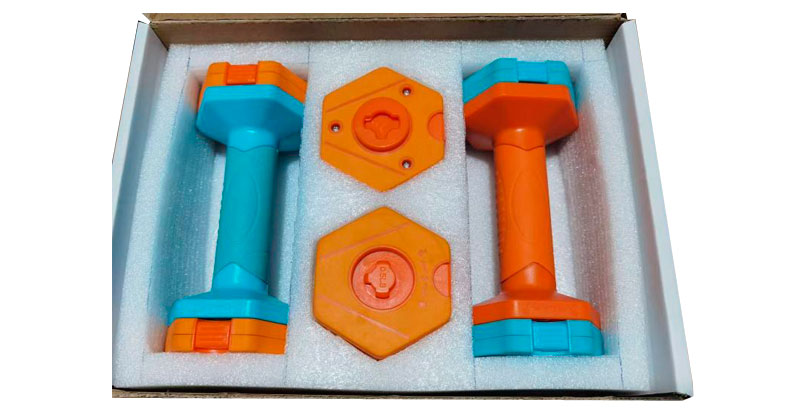
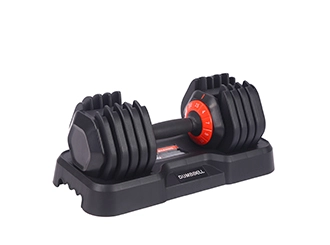
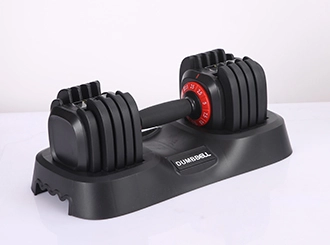
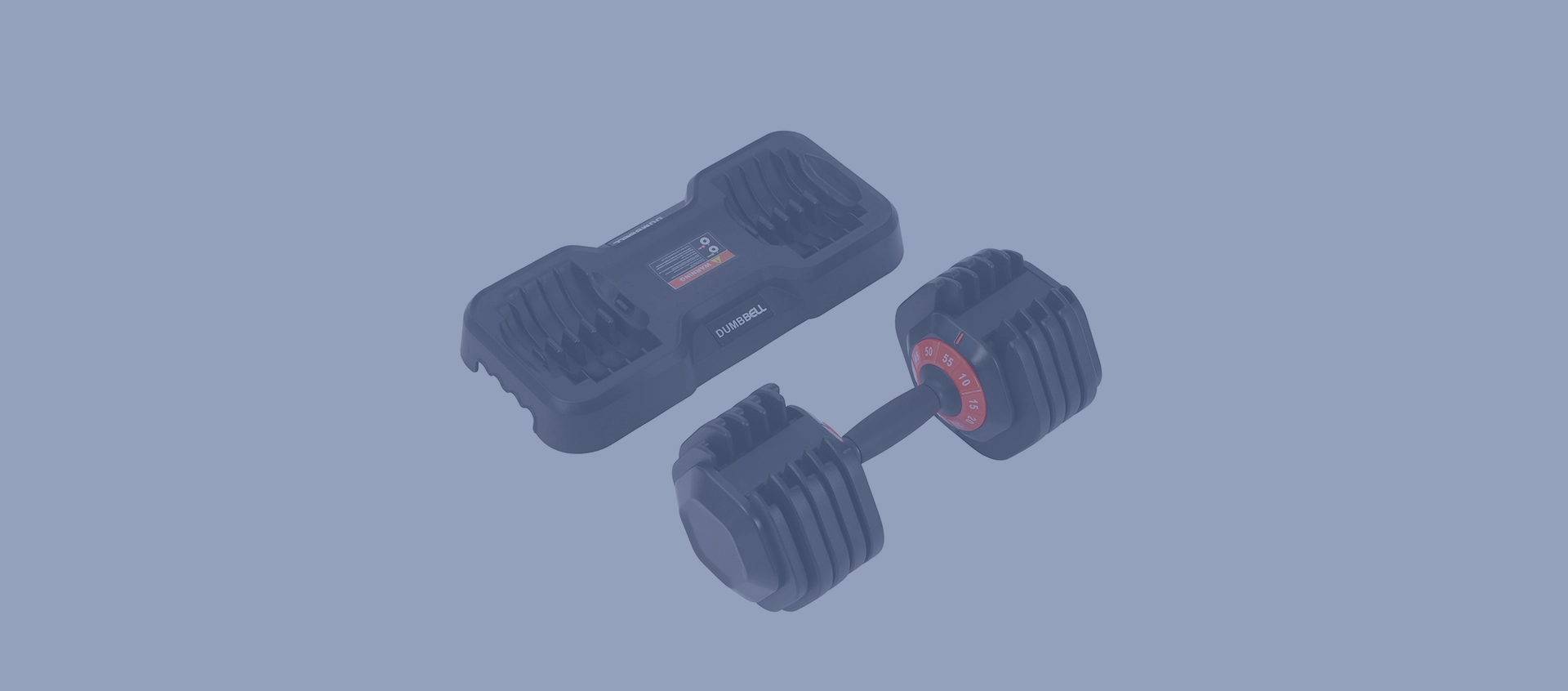
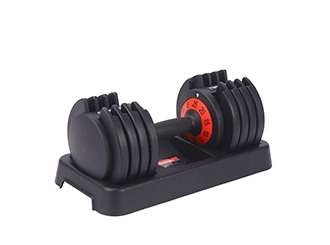
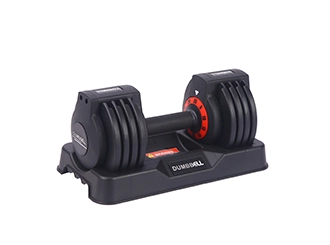
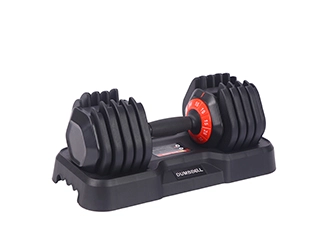
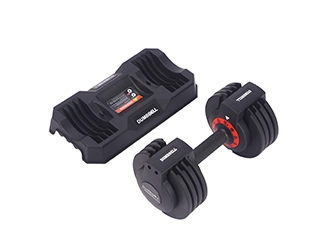
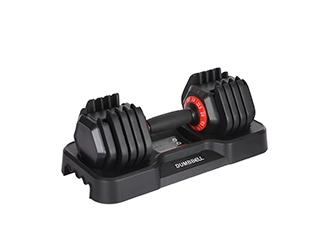
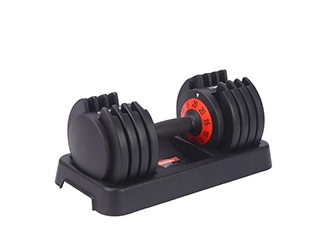
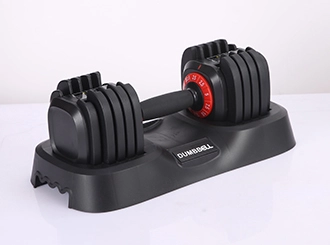
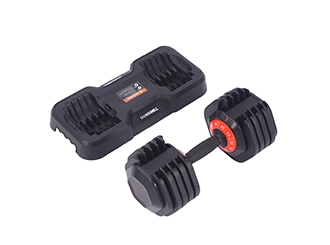
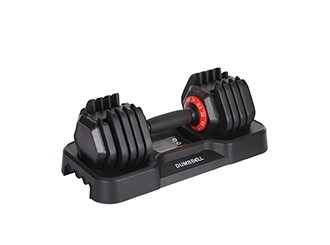
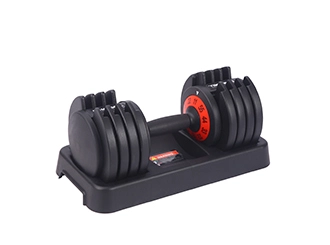
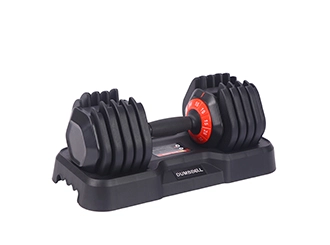
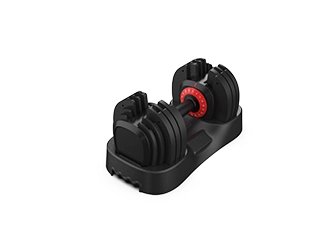
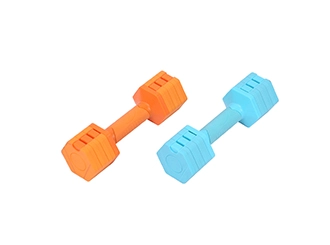
    A high-quality dumbbell for teenagers should allow progression without overwhelming the user.

    specification-of-5lb-adjustable-dumbbell.jpg

    How to Choose the Best Dumbbells for Teens

    When selecting dumbbells for teens, consider:

    • Weight Range

    Start lighter (2–5 kg per hand for beginners).

    • Adjustability

    Avoid large weight jumps. Gradual increases are safer.

    • Grip Diameter

    Teens have smaller hands. A thick handle reduces control.

    • Durability & Safety

    Look for secure plates and strong locking systems.


    Why Adjustable Dumbbells Are Ideal for Teen Training

    For growing teenagers, adjustable dumbbells offer:

    • Progressive overload without buying new sets

    • Space-saving design for home use

    • Safer load management

    • Long-term cost efficiency

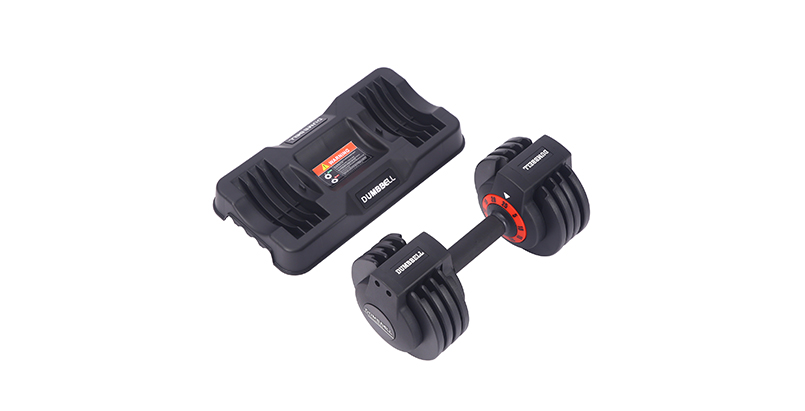
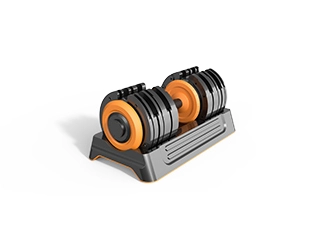
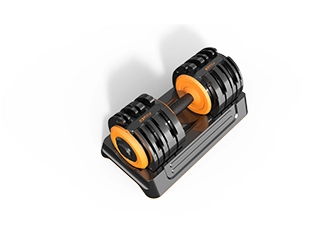
    At Jiebao Fitness, we specialize in adjustable dumbbells engineered for quality and safety.

    High-quality manufacturing
    Injection molding + metalworking expertise
    Monthly capacity of 30,000 units
    7-day sampling & 15–25 day production
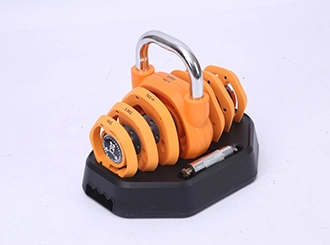
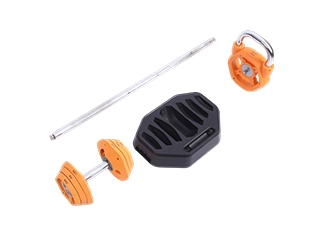
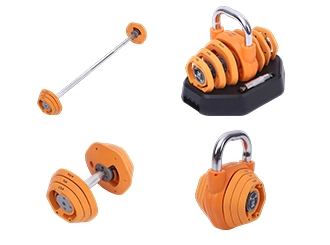
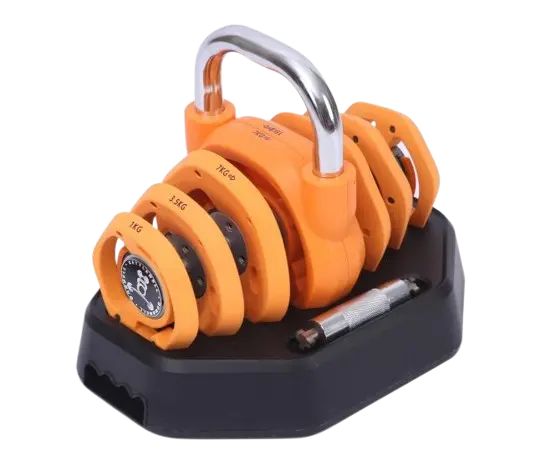
    Continuous innovation (including 3-in-1 adjustable kettlebell set)


    dumbbell.jpg

    Safe 30-Minute Full-Body Dumbbell Workout for Teens (Beginner)

    Do this routine 2–3× per week. Rest 60–90 seconds between sets.

    1. Goblet Squats – 3 sets × 10–12 reps

    2. Dumbbell Romanian Deadlifts – 3 sets × 10 reps (hinge at hips, flat back)

    3. Single-Arm Dumbbell Rows – 3 sets × 10 reps per arm

    4. Dumbbell Shoulder Press (seated or standing) – 3 sets × 8–10 reps

    5. Dumbbell Bicep Curls + Tricep Extensions (superset) – 3 sets × 12 reps each

    6. Plank – 3 sets × 20–40 seconds

    Pro tips

    • Start with our lightest setting

    • Focus on slow, controlled movement

    • Stop immediately if you feel pain (not to be confused with normal muscle effort)


    FAQ – Dumbbells for Teens

    Are dumbbells safe for teenagers? Yes — when using proper form, light weights, and supervision. Injury rates are actually lower than many team sports when guidelines are followed.

    What age can you start dumbbell training? Most experts say 11–13 is fine with bodyweight first, then light dumbbells under adult supervision.

    How heavy should a teen’s dumbbells be? Whatever allows 10–15 perfect reps. For most beginners that’s 5–15 lb per hand.


    References

    PREV: No information

    Related Adjustable Weights