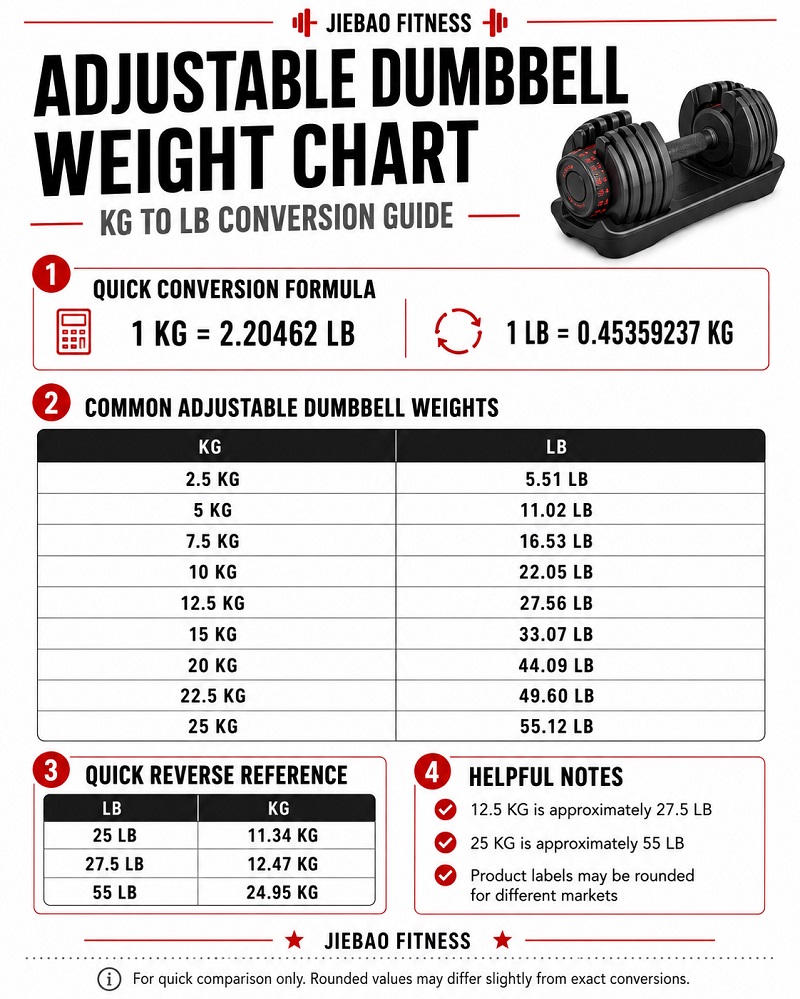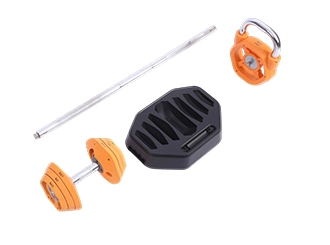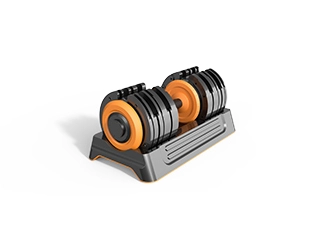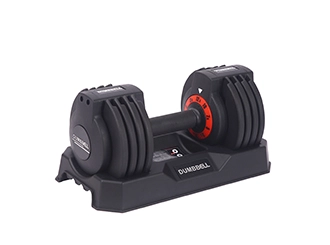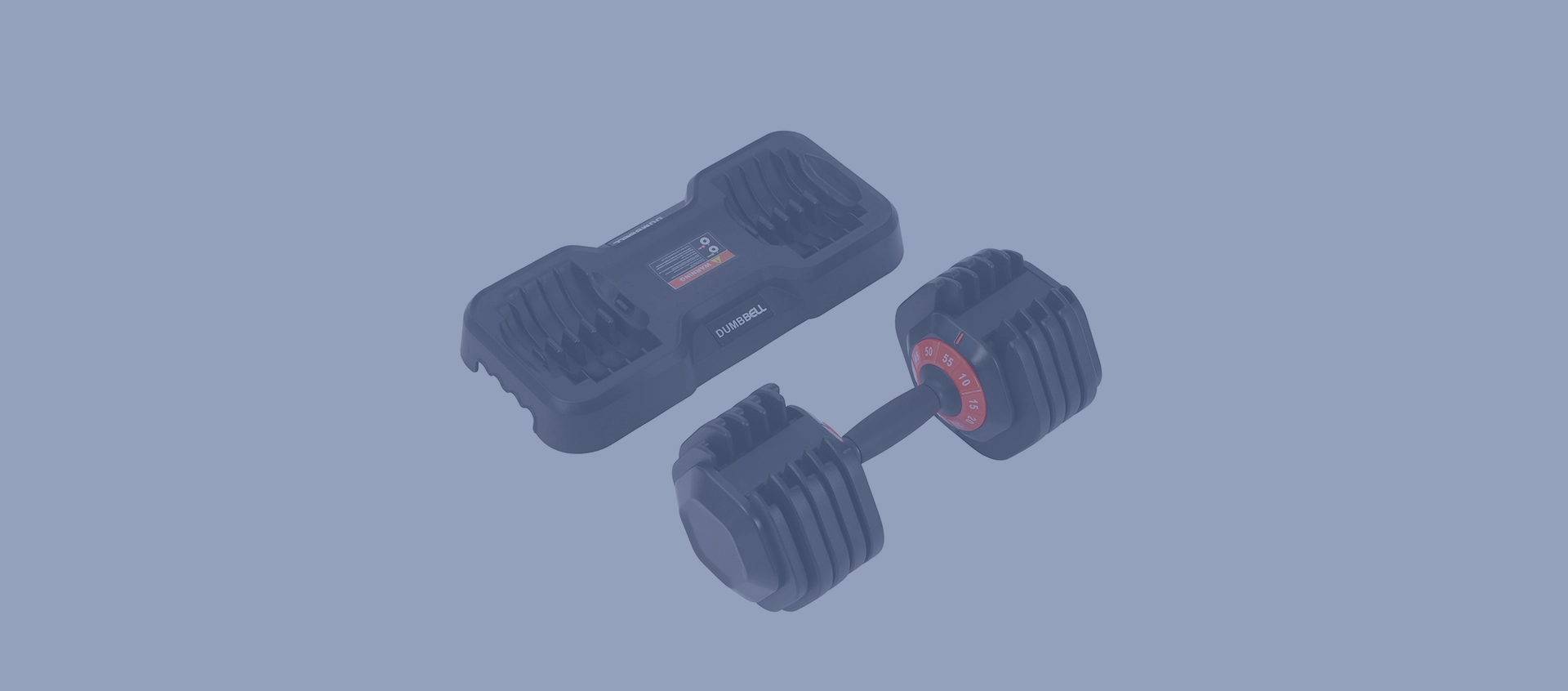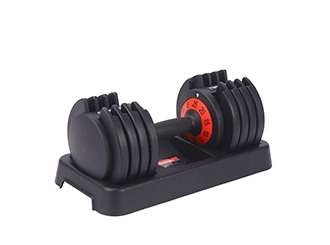
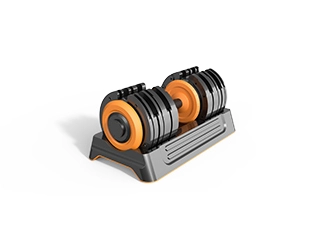
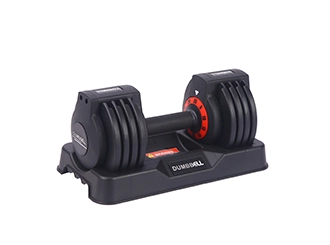
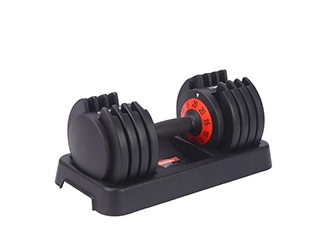
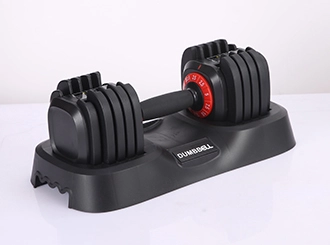
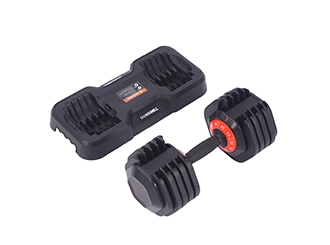
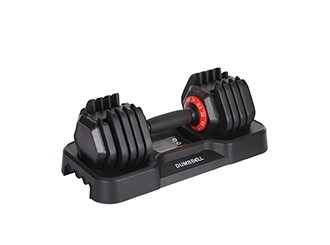
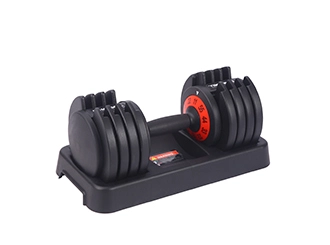
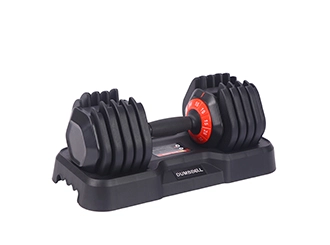
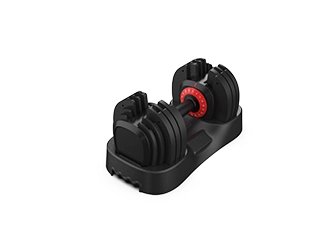
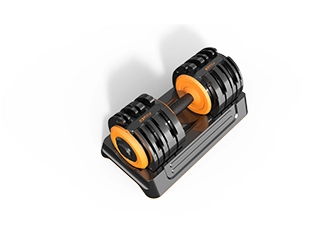
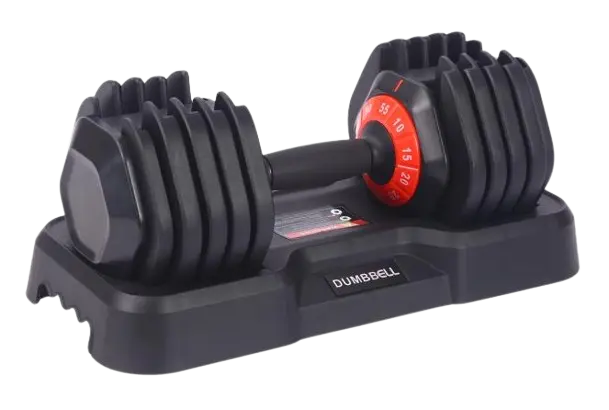
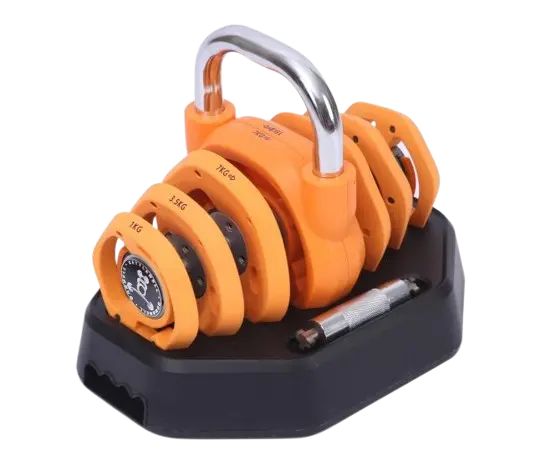



Adjustable dumbbells are labeled in kilograms in some markets and pounds in others, so a 12.5KG, 25KG, 25LB or 55LB dumbbell can be hard to compare at a glance.
The math behind it isn't complicated. One kilogram is about 2.20462 pounds, and one pound is exactly 0.45359237 kilograms. For a quick estimate, multiply kilograms by 2.205. Product labels get rounded, though, which is why a 55LB dumbbell and a 25KG dumbbell sit close together in weight without being mathematically identical.
The table below covers the weight levels most commonly used in adjustable dumbbells.
Kilograms (KG) | Pounds (LB) | Rounded Reference |
1 KG | 2.20 LB | 2.2 LB |
2 KG | 4.41 LB | 4.4 LB |
2.5 KG | 5.51 LB | 5.5 LB |
3 KG | 6.61 LB | 6.6 LB |
4 KG | 8.82 LB | 8.8 LB |
5 KG | 11.02 LB | 11 LB |
6 KG | 13.23 LB | 13.2 LB |
7.5 KG | 16.53 LB | 16.5 LB |
8 KG | 17.64 LB | 17.6 LB |
9 KG | 19.84 LB | 19.8 LB |
10 KG | 22.05 LB | 22 LB |
12.5 KG | 27.56 LB | 27.5 LB |
15 KG | 33.07 LB | 33 LB |
17.5 KG | 38.58 LB | 38.6 LB |
20 KG | 44.09 LB | 44 LB |
22.5 KG | 49.60 LB | 49.6 LB |
25 KG | 55.12 LB | 55 LB |
This is why products marketed as 12.5KG and 27.5LB, or 25KG and 55LB, often end up grouped together as the same weight category.
Buyers comparing products labeled for the U.S. or Canadian market may find the reverse conversion just as useful.
Pounds (LB) | Kilograms (KG) |
5 LB | 2.27 KG |
10 LB | 4.54 KG |
15 LB | 6.80 KG |
20 LB | 9.07 KG |
25 LB | 11.34 KG |
27.5 LB | 12.47 KG |
30 LB | 13.61 KG |
35 LB | 15.88 KG |
40 LB | 18.14 KG |
45 LB | 20.41 KG |
50 LB | 22.68 KG |
55 LB | 24.95 KG |
These numbers are a reminder that KG and LB product names aren't always exact equivalents. 25KG converts to 55.12LB, while 55LB converts to only 24.95KG. That gap barely matters for everyday comparison, but it counts when a spec sheet needs to be exact.
The formula is LB = KG × 2.20462.
A 12.5KG dumbbell works out to 12.5 × 2.20462 = 27.56LB. A 25KG dumbbell comes to 25 × 2.20462 = 55.12LB.
For a faster mental estimate, round to 2.2: 5KG ≈ 11LB, 10KG ≈ 22LB, 20KG ≈ 44LB, 25KG ≈ 55LB. That shortcut is close enough for comparing product categories, but use 2.20462 when you need a precise figure.
The formula is KG = LB × 0.45359237.
A 25LB dumbbell comes to 25 × 0.45359237 = 11.34KG, and a 55LB dumbbell comes to 55 × 0.45359237 = 24.95KG. That makes a 55LB dumbbell slightly lighter than a true 25KG dumbbell, even though the two are usually treated as the same product category.
This is one of the most common near-equivalent comparisons in the category. 12.5KG converts to about 27.56LB; 27.5LB converts back to about 12.47KG. The gap is roughly 26 grams — small enough that most lifters won't notice it, but on a spec sheet or product listing, use the manufacturer's stated nominal weight rather than a converted figure.
Another common comparison is 25KG versus 55LB. For most fitness applications the two are close enough to be interchangeable, but retailers shouldn't relabel a 25KG product as an exact 55LB product unless the manufacturer confirms the actual specification.
Specification | 25KG | 55LB |
Original Unit | 25 KG | 55 LB |
Converted Weight | 55.12 LB | 24.95 KG |
Approximate Difference | About 0.12 LB heavier than 55LB | About 0.05 KG lighter than 25KG |
Practical Weight Category | Heavy adjustable dumbbell | Heavy adjustable dumbbell |
Mostly it comes down to market preference. The US typically labels fitness equipment in pounds, while kilograms are the norm across Europe and much of the rest of the world. So the same weight category can show up as 12.5KG in one market and roughly 27.5LB in another, or 25KG on one label and a 55LB-class product on the next. The numbers look different even when the actual resistance is nearly identical.
Jiebao's dumbbell range is labeled in both KG and LB, so buyers can compare models by weight, material, shape and number of adjustment settings regardless of which unit they shop in.
Worth checking before you buy. A label reading “25LB Adjustable Dumbbell” might describe a single unit's maximum weight, but plenty of listings quote the combined weight of a pair or a full set instead.
one 25LB dumbbell = 25LB total
two 25LB dumbbells = 50LB combined
a product advertised as a “50LB set” could just as easily mean two 25LB dumbbells
Don't assume which convention a seller is using. Check whether the number refers to:
one dumbbell
a pair of dumbbells
the total product set
maximum selectable weight
total weight including accessories
This matters most when you're comparing a single adjustable dumbbell against a full adjustable dumbbell set.
It's easy to focus only on maximum weight when comparing adjustable dumbbells. “25KG is heavier than 12.5KG, so the 25KG model must be better” sounds logical, but it isn't necessarily true. A useful comparison looks at four numbers, not one.
This determines how light the dumbbell can go. A product with a high maximum but a relatively high starting weight may not suit users who need lighter resistance.
Maximum weight sets the upper resistance limit. For reference, 12.5KG ≈ 27.56LB and 25KG ≈ 55.12LB.
Two dumbbells can share the same maximum weight but offer a different number of selectable settings. One 25KG design might jump in large increments, while another offers more granular resistance levels.
The increment is the gap between one setting and the next. A sequence like 5KG → 7.5KG → 10KG uses a 2.5KG increment, or roughly 5.51LB. Smaller increments give you more intermediate choices.
There's no universal ideal weight. A better approach is matching the range to how you'll actually use it.
Lower weight ranges make sense when smaller increments are preferred, the product is meant for lighter exercises, compact size matters, or a very heavy maximum isn't needed.
Weights around 20–30LB balance a manageable starting load with room to progress, depending on the actual minimum weight and increments.
Products around 25KG / 55LB give a substantially higher maximum resistance, useful for buyers who want a broader upper range. The key is comparing the whole adjustment range rather than just the biggest number printed on the box.
For individual buyers, this usually just comes down to whichever unit feels familiar. For retailers, importers and fitness brands, it matters more, because labeling affects how quickly customers understand the weight. When selecting a product for a particular market, consider:
whether local customers normally shop in KG or LB
whether the selector dial displays KG, LB or both
how the weight should appear on packaging
how the product will be listed on e-commerce platforms
whether product manuals and marketing materials use consistent units
A conversion chart helps customers compare products, but clear local labeling is what actually makes for a better buying experience.

Yongkang Jiebao Industry and Trade Co., Ltd. develops and produces adjustable weight products. The published range runs from 5LB to 55LB and equivalent kilogram formats, including 12.5KG and 25KG options, with different materials, shapes and adjustment configurations to compare.
For distributors and retailers, KG-to-LB conversion is a useful starting point, but the final decision should rest on the actual model specification, weight settings, packaging and destination market.
About 27.56LB (12.5 × 2.20462). That's why 12.5KG and 27.5LB are often grouped together as the same weight class.
About 55.12LB (25 × 2.20462), close enough that it's commonly marketed alongside 55LB models.
About 11.34KG (25 × 0.45359237).
Not quite. 55LB is about 24.95KG, and 25KG is about 55.12LB — close, but not mathematically identical.
Manufacturers round the label to keep it readable, so a calculated 27.56LB might get printed as 27.5LB. When exact weight matters, go with the manufacturer's official specification rather than a rounded conversion.
Convert both to the same unit first, then compare minimum weight, maximum weight, number of settings and the increment between them. Conversion tells you how heavy something is; those other specs tell you whether it's actually the right dumbbell for you.
Converting adjustable dumbbell weights between KG and LB comes down to two formulas: KG × 2.20462 = LB, and LB × 0.45359237 = KG. The pairings worth remembering are 12.5KG ≈ 27.56LB and 25KG ≈ 55.12LB, since these are the two most often marketed as equivalent categories.
KG and LB labels get rounded differently for different markets, so a 25KG and a 55LB dumbbell can belong to the same weight class without sharing an identical exact mass. Use the conversion chart as a starting point, then compare the actual weight range, adjustment levels, dimensions and specifications before deciding.
If you're sourcing adjustable dumbbells for retail or distribution, contact Jiebao to confirm current model specifications, weight configurations and order information for your market.